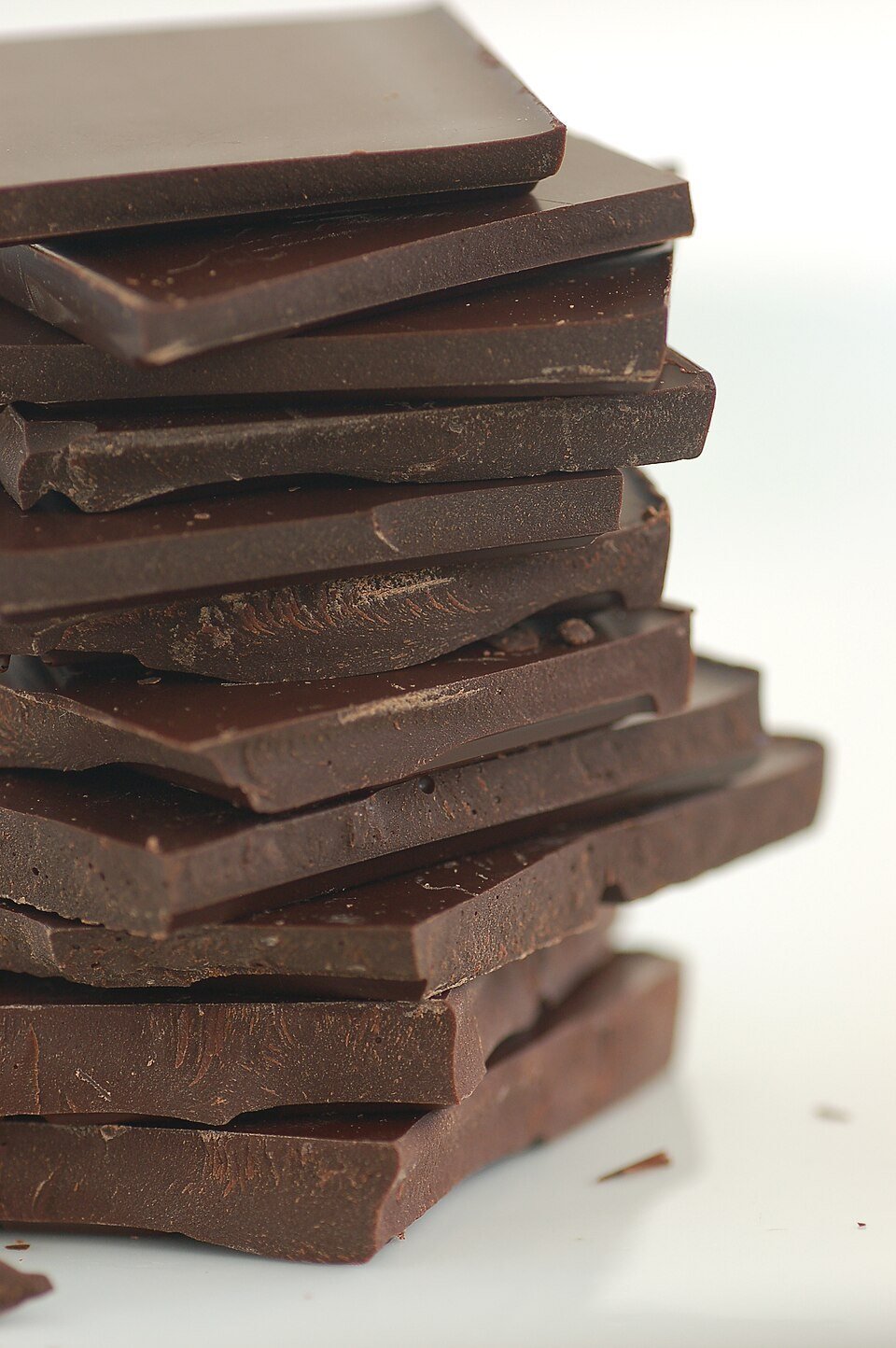
Chocolate application representing cocoa butter use

Cocoa Fat

Natural and Deodorized Supply Options

Cocoa butter is the naturally occurring fat pressed from cocoa liquor. It is central to chocolate texture, melt behavior and processing, and it is also used in other food and selected non-food applications. Commercial buyers usually compare more than price: deodorization status, flavor and odor profile, color, free fatty acids, melting characteristics, packaging, food-safety documentation and certification needs may all influence suitability.

Wenrex discusses cocoa butter as a specification-led ingredient. Natural butter may retain a noticeable cocoa aroma, while deodorized butter is processed to reduce characteristic odor and flavor for applications where a more neutral profile is required. Exact specifications and process descriptions depend on the supplying manufacturer and must be confirmed in the applicable technical documentation.

Cocoa butter icon

Natural Profile

Suitable where the characteristic cocoa aroma and identity of the butter are acceptable or desired. Final sensory profile should be evaluated against the intended recipe.

Quality icon

Deodorized Profile

Designed for applications requiring a more neutral odor and flavor. Deodorization method, limits and documentation are supplier-specific and confirmed by technical sheet.

Packaging icon

Industrial Packing

Blocks, cartons, liners, pallet configuration or bulk options may be available depending on source. Packing is confirmed together with quantity and destination.

Technical Evaluation

What Manufacturers Commonly Review

Cocoa butter behaves as a functional fat, so buyers often review characteristics linked to purity, handling and consistency. Typical technical documentation can include free fatty acid limits, moisture and impurities, iodine value or other fat-characterization parameters, sensory criteria and microbiological or contaminant information relevant to the producer’s specification. The exact test package differs by manufacturer and market. Wenrex does not replace supplier data with generic website values; the applicable technical data sheet remains the correct source for a contractual product.

Chocolate makers also consider crystallization and tempering behavior. Cocoa butter contains several crystal forms, and controlled tempering is used to develop the stable structure associated with gloss, snap and appropriate melt. The ingredient supplier can provide a compliant cocoa butter, but recipe performance also depends on the customer’s process, equipment, other fats and formulation. For that reason, trial evaluation is recommended when changing source or grade.

Odor and flavor are especially important when switching between natural and deodorized butter. A neutral butter may be preferred in white chocolate, fillings or applications where other flavors should dominate, while a natural profile may be compatible with darker cocoa systems. Buyers should communicate their sensory objective rather than relying only on the words “natural” or “deodorized.”

Certification requirements should be raised before quotation. Organic, sustainability schemes, halal, kosher or other certification statuses can vary between plant, product and supply program. A valid certificate or scope confirmation for the offered material should be checked when the claim is important to the customer’s finished product or regulatory position.

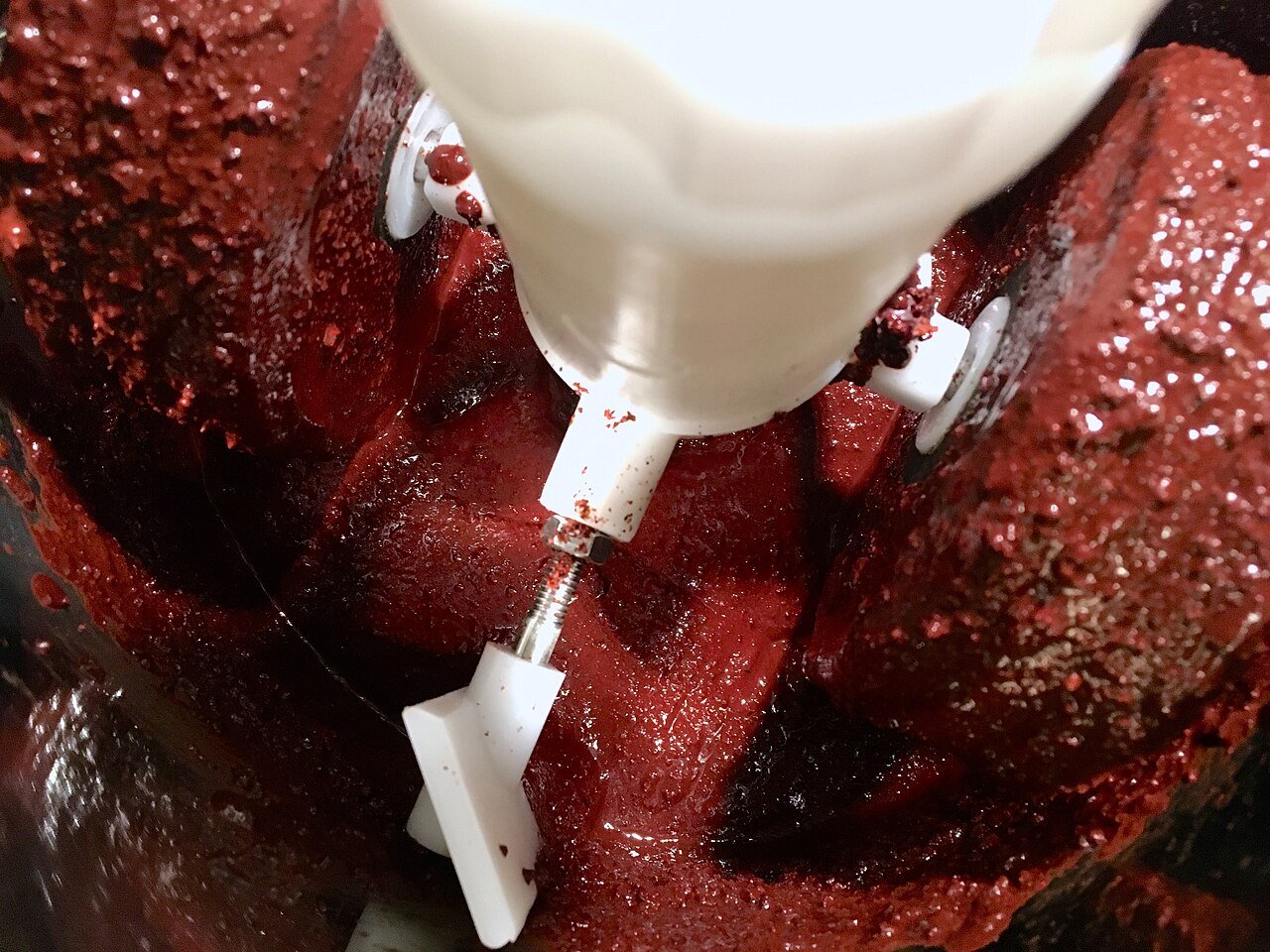
Cocoa liquor before pressing into cocoa butter and cake
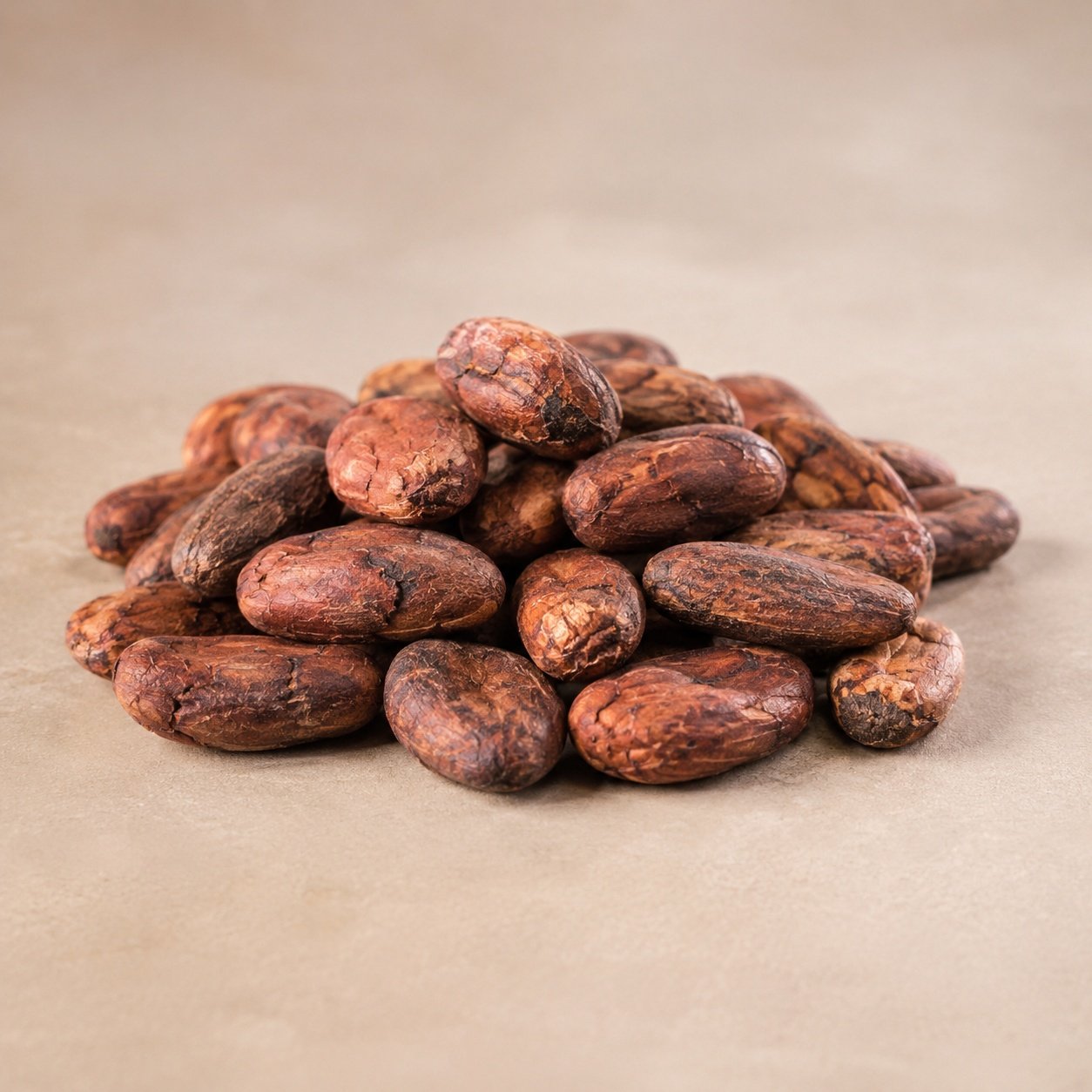
Cocoa nibs as the starting point for cocoa liquor

Production Context

From Nib to Liquor, Press Cake and Butter

After cocoa beans are cleaned, roasted, cracked and winnowed, the nibs are ground into cocoa liquor or cocoa mass. Because cocoa nibs naturally contain a high proportion of cocoa fat, grinding turns them into a flowing paste as particle size is reduced and heat develops. Hydraulic pressing then separates part of the cocoa butter from the cocoa solids. The resulting press cake can later be milled into cocoa powder.

This relationship between butter, liquor and powder matters commercially. Changes in bean origin, roasting, alkalization, pressing and deodorization can influence the resulting ingredients. Buyers seeking a very neutral butter may prioritize deodorization, while buyers sourcing a full cocoa system may consider compatibility between powder, liquor and butter. Wenrex can discuss the products separately or as related cocoa ingredients depending on the project.

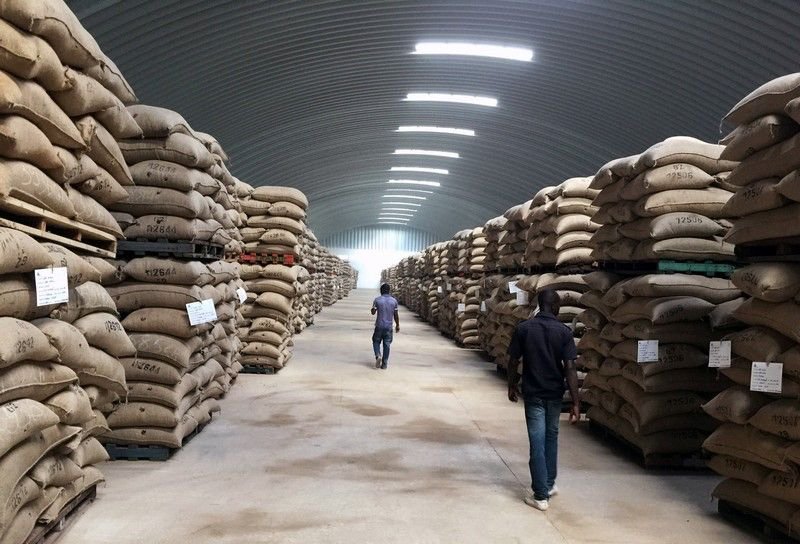
Packaging protects the butter from contamination, odor pickup and temperature-related handling problems. Cocoa butter can soften or melt in warm conditions, so warehouse and transport planning should consider season and route. A shipment should be kept clean, dry and protected from strong odors. Exact recommended storage conditions should follow the supplier’s technical documentation.

For importers, shelf life, lot identification, production date and storage requirements should be checked before contracting. If the customer has a specific pallet height, carton size or warehouse handling limit, that information should also be shared early. Small operational details can have a major effect on receiving efficiency.

Warehouse handling for cocoa ingredients
Export logistics for cocoa ingredients

Commercial Information to Include

For an efficient cocoa butter inquiry, specify whether natural or deodorized material is required, the approximate quantity, destination, expected packing, application and any mandatory certification. If the buyer works to an existing technical specification, sharing the key parameters or document allows Wenrex to compare potential supply more accurately. If no formal specification exists, we can begin with the application and discuss a suitable product family.

Quotations should be compared on a common basis: same product status, same packing, same destination, same Incoterm and similar shipment window. Freight and temperature-sensitive handling can materially influence landed cost. For long-term programs, buyers may also discuss forecast volumes, call-off plans and safety stock expectations. These commercial factors are separate from the technical specification but equally important to supply continuity.

Technical FAQ

Cocoa Butter Qualification and Commercial Handling

01
What is the practical difference between natural and deodorized cocoa butter?

Natural cocoa butter generally retains more characteristic cocoa aroma, while deodorized butter has been processed to reduce odor and flavor. The degree and method of deodorization vary by producer. A white-chocolate or delicate-flavor application may prefer a neutral profile, whereas another formulation may accept or value natural cocoa notes. The buyer should evaluate sensory suitability and review the actual supplier specification rather than assuming all deodorized or natural butters are identical.

02
Why is tempering not guaranteed by the ingredient supplier?

Cocoa butter is polymorphic, but finished tempering behavior depends on the full chocolate recipe, processing history, equipment, temperatures, cooling and other fats. A compliant butter can still perform differently when the customer changes formulation or process. Suppliers can provide technical characteristics, yet the manufacturer remains responsible for establishing and validating its tempering curve. Trial production is recommended when changing source or grade.

03
What packaging information should be specified?

Buyers should state preferred net weight per carton or block, liner requirements, palletization, maximum pallet height, label language and any warehouse handling restrictions. Some suppliers may offer different block, chip or bulk formats. Packing affects labor, melting speed, container utilization and product protection, so it should be part of the commercial comparison rather than discussed only after price acceptance.

04
Does cocoa butter require refrigerated transport?

Not necessarily, but it is temperature sensitive. Exact storage and transport guidance should follow the supplier’s technical data. In warm routes or seasons, softening or melting can affect handling and package condition even if the product remains chemically acceptable. Buyers should consider transit climate, container exposure and receiving procedures. Where temperature-controlled transport is mandatory for a particular program, that requirement should be stated before freight is quoted.

05
Which quality parameters are commonly reviewed?

Manufacturers may review sensory profile, free fatty acids, moisture and impurities, fat-characterization values, microbiological criteria and contaminant or food-safety declarations. The list varies by supplier and customer. Rather than applying generic internet limits, Wenrex provides or coordinates the actual technical documentation for the offered source. A buyer with an internal specification should share it so gaps can be identified before samples or contracts.

06
Can certified cocoa butter be supplied?

Potentially, but certification is source- and product-specific. Organic, sustainability, halal or kosher status should be checked against current certificates and scope. Certified butter may have different availability, lead time and price from conventional material. If the certification will support a claim on the customer’s finished product, the customer should also verify that its own chain-of-custody and labeling requirements are met.

07
How should shelf life be considered?

Shelf life is defined by the manufacturer under specified storage conditions. Buyers should check production date, best-before period, storage recommendation and expected time in transit before ordering. Purchasing an excessive volume without considering usage rate can reduce remaining shelf life at consumption. For long-term programs, delivery planning should balance shipment economics with inventory rotation and warehouse capacity.

08
What information makes a butter quote more accurate?

State natural or deodorized, application, approximate quantity, destination, preferred packing, certification requirements and desired shipment window. If the buyer has a target technical sheet, include the critical parameters. Freight basis also matters because a quote to port, warehouse or factory can produce very different landed costs. Clear information allows suppliers to quote the correct grade and logistics basis from the beginning.

Procurement Notes for Chocolate and Filling Manufacturers

When cocoa butter is a critical structural fat, procurement should coordinate closely with technical teams. A sourcing change can affect tempering behavior, flavor neutrality, viscosity and sensory perception even when the headline specification looks similar. For new sources, manufacturers often compare laboratory data with pilot or production trials. Keeping a retained sample of the approved source can help investigate later questions and provide a practical reference during requalification.

Inventory planning should also account for temperature and shelf life. Cocoa butter is relatively stable when stored correctly, but holding excessive stock can reduce remaining shelf life and increase the chance of heat exposure or packaging damage. On the other hand, very low safety stock can create production risk if freight is delayed. The appropriate balance depends on consumption rate, route reliability and how easily an alternative source can be approved.

For customers using cocoa butter in regulated or claim-sensitive products, document control is as important as the physical ingredient. Certification scope, allergen statements, contaminant declarations and lot-level analysis should be organized so the receiving and quality teams can connect each delivery to the correct file set. If a supplier or production site changes, the customer may need to repeat part of its approval process.

Wenrex therefore encourages buyers to define both technical acceptance and change-notification expectations. A well-written commercial relationship clarifies which changes require advance notice, which documents accompany each shipment and who approves deviations. These controls make recurring supply more resilient without turning every order into a new qualification project.

Buyers should also distinguish food-grade suitability from suitability for a specific finished product. A cocoa butter can meet its supplier specification and still require customer validation for a particular chocolate, confectionery, filling or cosmetic process. Internal approval protocols, customer-specific standards and destination regulations should therefore be checked before a source becomes part of regular production.

Business Inquiry

Request Cocoa Butter Information

Tell us natural or deodorized preference, application, quantity, destination, packaging and any certification requirement.

Request Information